
Small Harvest Gaps Offer a Pathway to More Resilient Mediterranean Forests
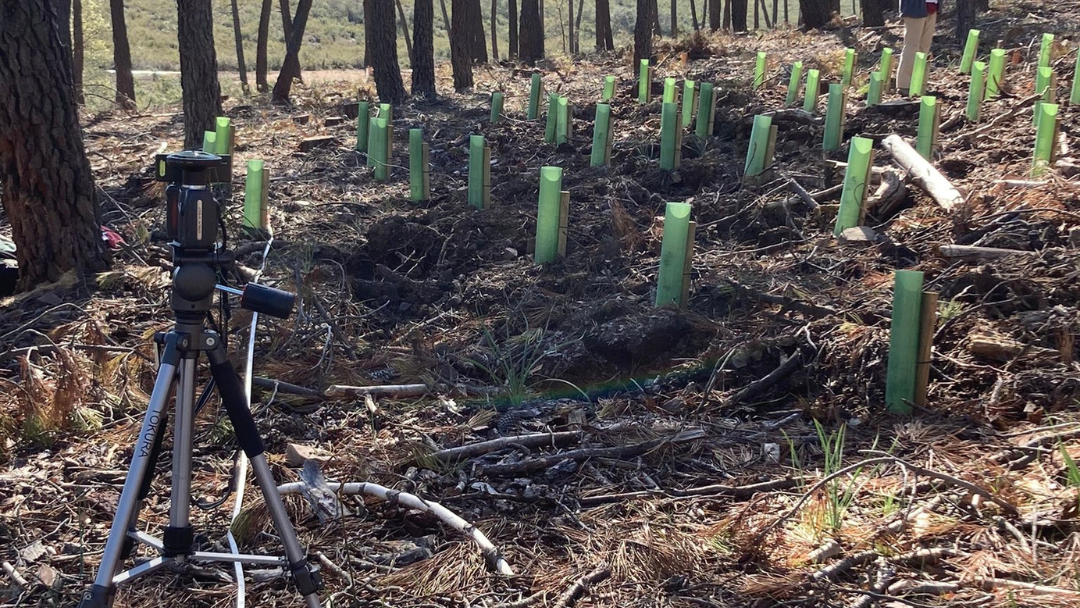
A recently published study in Forest Ecology and Management, partly funded by OptiForValue, provides new evidence on how abandoned Pinus pinaster (maritime pine) plantations in Spain can be transformed into more diverse and climate-resilient oak-dominated forests. This research was conducted by OptiForValue partner, Dr Andrés Bravo-Oviedo from CSIC, alongside other researchers.
Between 1940 and 1983, Spain established more than three million hectares of forest plantations, including almost 800,000 hectares of monospecific maritime pine stands. Originally created for resin production and land restoration, many of these plantations were intended to gradually transition towards mixed forests through active silvicultural management. However, following the collapse of the European resin market, many stands were abandoned before this transformation could occur, resulting in extensive, homogeneous pine forests with reduced structural diversity and increased vulnerability to drought, pests, and disease.
The study investigated an adapted version of the Irregular Shelterwood System (ISS), a silvicultural approach designed to increase forest complexity by creating small harvest gaps. Researchers tested different gap sizes, thinning intensities, and oak planting mixtures to assess their effectiveness in supporting the conversion of pure pine plantations into mixed Mediterranean oak forests.

Image 1: Oak seedling in protective tube (Credit: Dr Andrés Bravo-Oviedo)
The results demonstrate that planted oak seedlings survived significantly better in harvest gaps than under the closed pine canopy. Importantly, very small gaps (less than 0.02 ha) proved effective at limiting the regeneration of light-demanding maritime pine while providing suitable conditions for oak establishment and growth. The retention of harvest residues further enhanced natural oak regeneration, highlighting the importance of microsite conditions in successful forest transformation.
While oak survival rates were encouraging, browsing pressure limited height growth, suggesting that additional protection measures such as fencing may be required in areas with high herbivore populations. The researchers also found that natural oak regeneration alone is unlikely to achieve species replacement in these pine stands, due to challenges including limited acorn availability, seed predation, and low long-term seedling survival.
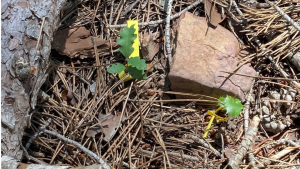
Image 2: Seedlings (Credit: Dr Andrés Bravo-Oviedo)
Overall, the findings support the use of small harvest gaps combined with the retention of harvest residues as a practical and effective strategy for converting homogeneous Pinus pinaster plantations into more diverse and resilient mixed-oak forests. Homogenous forests face significant challenges in the current climate crisis, including susceptibility to pests, diseases, and catastrophic wildfires.
As forest managers across Europe seek adaptation measures for climate change, these results provide valuable guidance for enhancing biodiversity, reducing vulnerability to disturbance, and improving long-term forest resilience.
You can read the full journal article here.
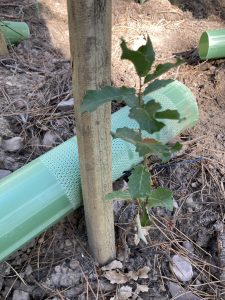
Image 3: Oak seedling (Credit: Dr Andrés Bravo-Oviedo)